Understanding Real-Time Fraud Detection: Why Milliseconds Matter
Learn how real-time fraud detection systems protect financial institutions and their customers by identifying threats in milliseconds, not minutes.
 Research Team
Understanding Real-Time Fraud Detection: Why Milliseconds Matter
A fraudulent transaction takes about two seconds to complete. A batch fraud review runs hours or days later. Everything that matters happens in the gap between those two numbers, which is why detection has to happen while the transaction is still in flight: within milliseconds of the attempt, not in tomorrow's review queue.
The cost of delayed detection
Late detection is expensive in ways that compound. Once a fraudulent transaction settles, recovery is often impossible; the money has moved through mule accounts before the review queue is even opened. Customers who get defrauded blame the institution, not the fraudster. And regulators increasingly expect real-time monitoring as a baseline, not a differentiator.
How real-time detection works
Everything is an event
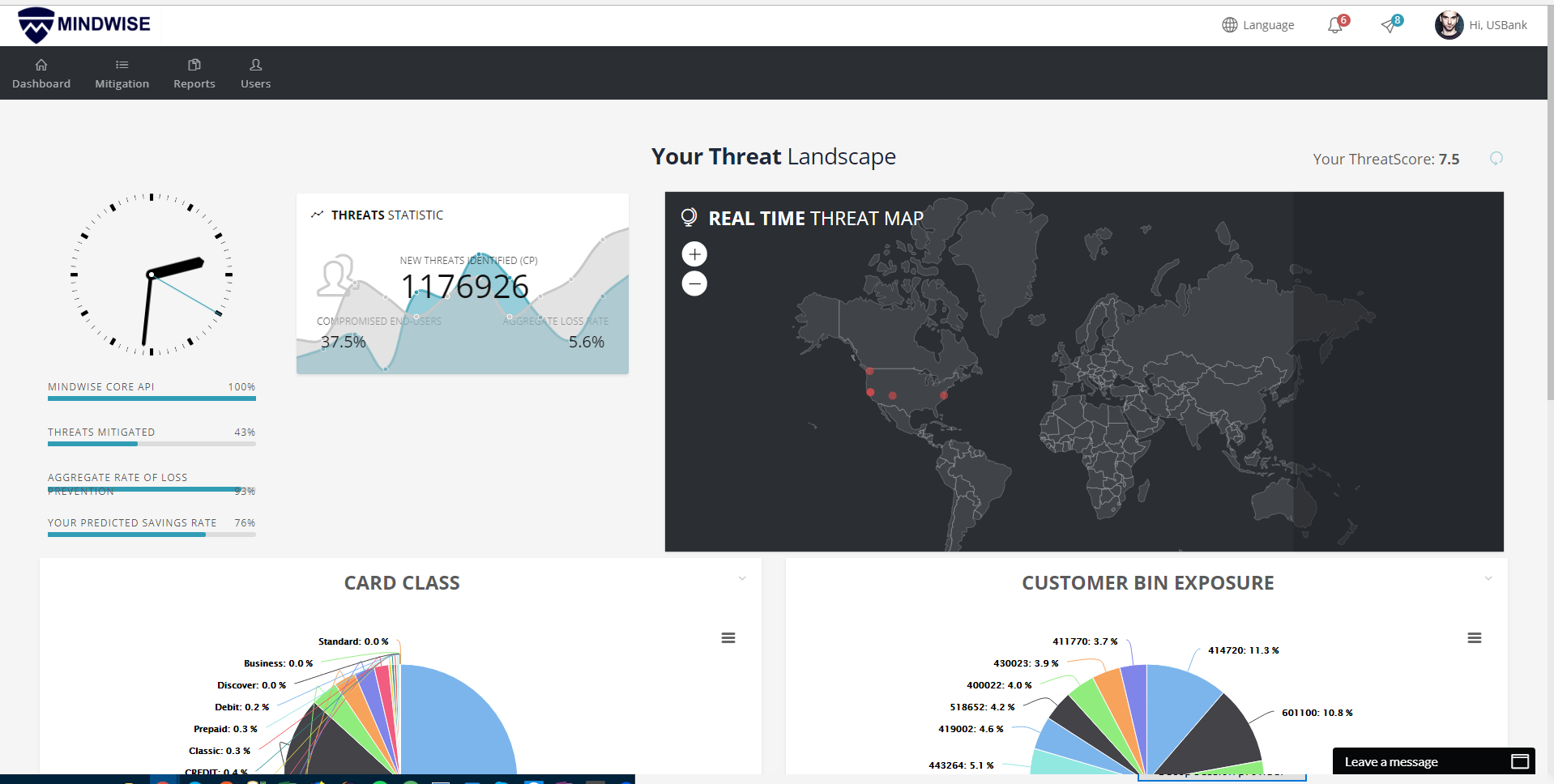
Real-time platforms process transactions as they occur. Each one becomes an event that triggers immediate analysis across multiple detection engines, rather than a row waiting for the next batch job.
Every event gets compared
Machine learning models score each transaction against the account's historical behavior, geographic patterns, device fingerprint, network signals, and velocity checks.
Every comparison produces a score
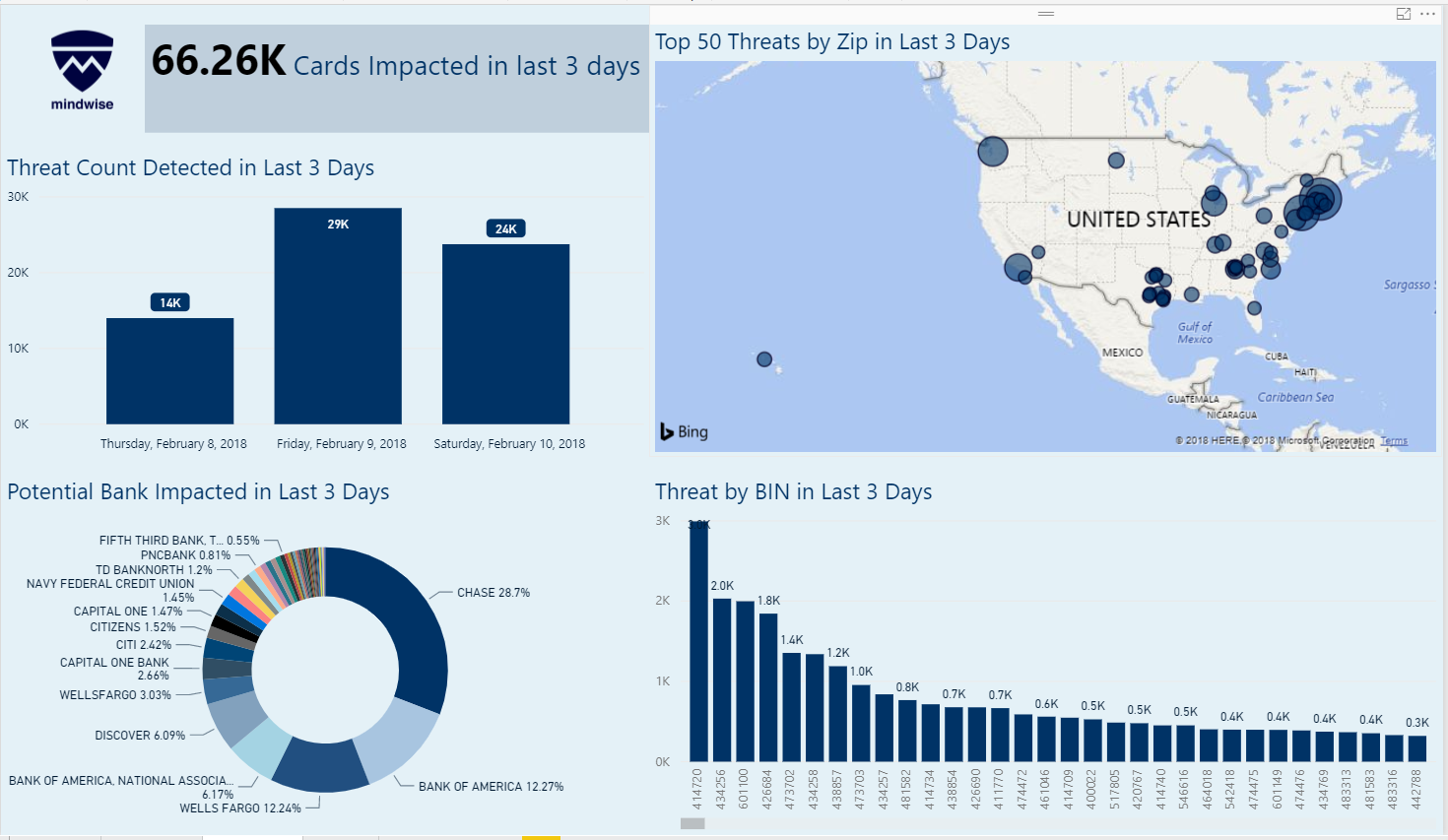
The risk score arrives within milliseconds. Low-risk transactions clear automatically, high-risk ones go to review, and obviously fraudulent attempts get blocked outright.
What makes the speed possible
Stream processors like Apache Kafka and Apache Storm handle millions of transactions per second with sub-second latency. Keeping the hot data in memory rather than on disk cuts complex analyses down to microseconds. And cloud-native architectures scale horizontally when transaction volume peaks, so the system doesn't slow down exactly when fraud pressure is highest.
What makes it hard
An overly aggressive system blocks legitimate transactions and teaches customers to distrust it. The pipeline has to survive peak load without degrading, fit into infrastructure that already exists, and satisfy regulators without giving up its speed. None of these problems is exotic, but all four have to be solved at once.
Where this is heading
Two developments are worth watching. Behavioral baselining, which models what "normal" looks like per customer rather than per segment, is moving from research into production scoring pipelines. And cross-institution signal sharing is slowly getting past its legal hurdles; a card tested at one issuer is a strong signal for every other issuer, if the signal can travel.
The takeaway
The institutions that lose the least to fraud are not the ones with the strictest rules. They are the ones that score every transaction while it is still in flight and reserve the friction for the small slice that deserves it.
That is the problem Mindwise was built around: event-driven fraud prevention that blocks the bad transaction without taxing the good ones.
Contact our team for a demo of real-time detection against your own transaction patterns.