Common Payment Fraud Schemes in 2024: What Financial Institutions Need to Know
The payment fraud schemes actually costing financial institutions money in 2024: how ATO, synthetic identity, CNP, and BEC attacks work, and what stops each one.
 Research Team
Common Payment Fraud Schemes in 2024: What Financial Institutions Need to Know
Payment fraud in 2024 is a professionalized industry with its own supply chains: stolen credentials sold in bulk, aged synthetic identities offered as a service, cash-out crews for hire. The schemes below are the ones actually costing institutions money this year: how each works, and what stops it.
The four schemes doing the damage
Account takeover
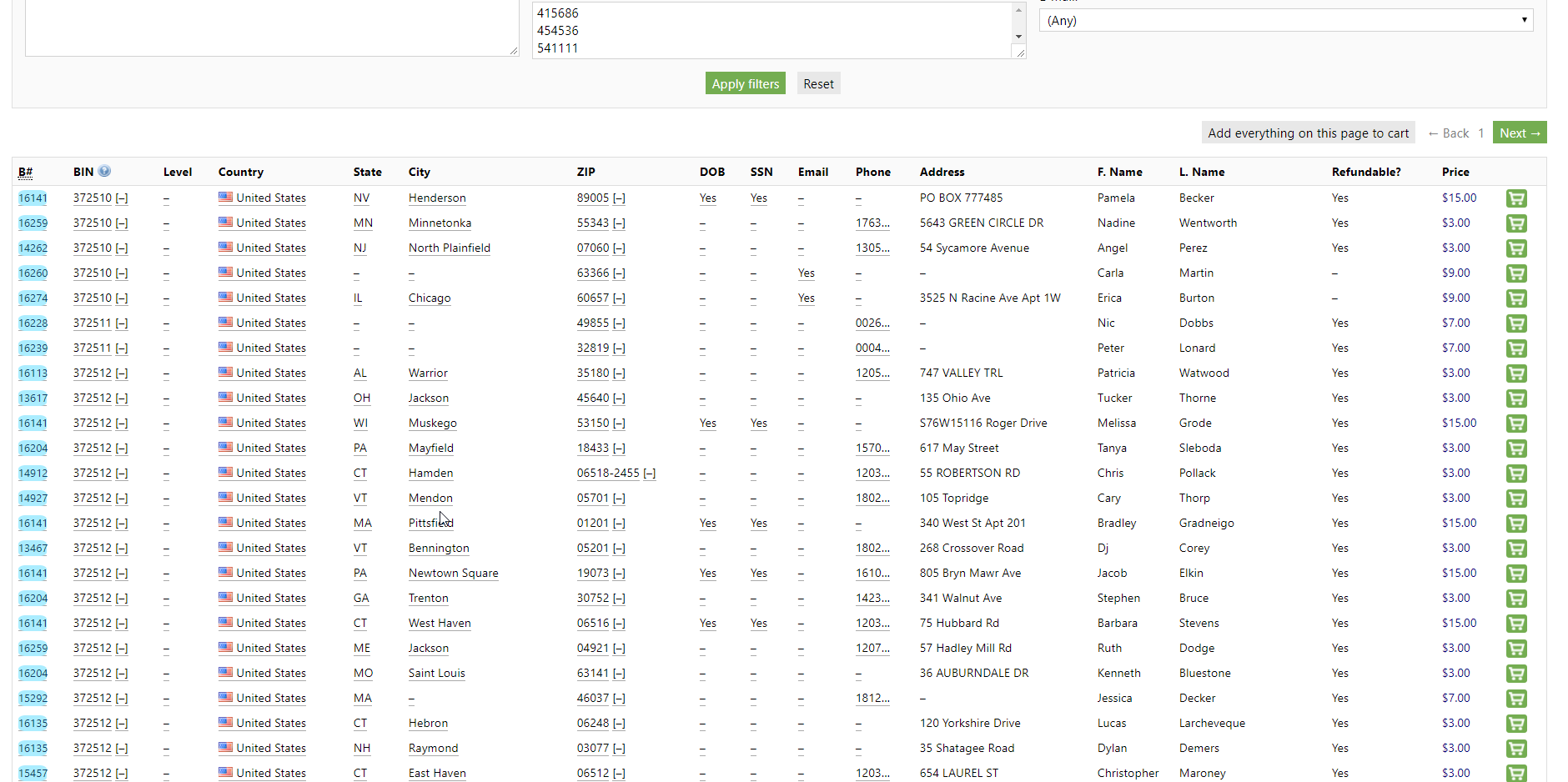
Account takeover losses are up 125% year over year, and the mechanics explain why: the attacker doesn't break anything. They log in with real credentials bought from a breach dump or harvested through phishing, quietly change the contact email and phone number so alerts route to them instead of the customer, and move money before anyone notices the silence.
The defenses that work intervene at the login, before any transaction exists. Multi-factor authentication strips the value out of a bare password. Behavioral analytics catch the session that types, navigates, and hesitates differently from the account's owner. Device fingerprinting and geolocation flag access from hardware and places the customer has never used.
Synthetic identity fraud
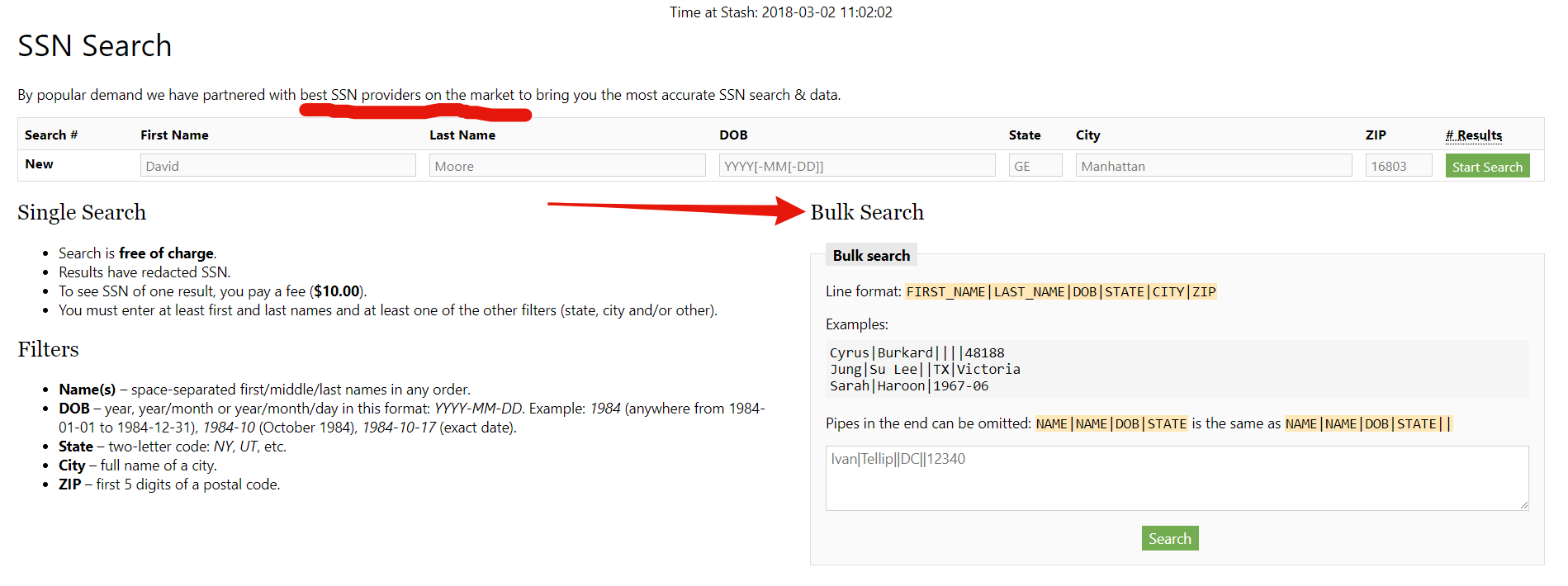
A synthetic identity pairs a real Social Security Number (often a child's or a deceased person's) with a fabricated name, birth date, and address. No single field is wrong enough to fail a check, so traditional verification passes the whole file. The identity then spends months or years building credit history like any responsible borrower would, right up until the bust-out.
Catching it means verifying the binding between fields rather than each field in isolation: does this SSN actually belong to this name and this birth date? It also means watching for cultivation behavior: the authorized-user piggybacking and secured-card activity that ages a file without a real person behind it.
Card-not-present fraud
With e-commerce volume still climbing, card-not-present fraud now accounts for over 60% of all card fraud losses. Stolen card data gets validated with small test transactions, then spent at online checkouts where no physical card ever has to exist. Weakly authenticated e-commerce flows are the preferred hunting ground.
3-D Secure pushes authentication back to the issuer, address verification catches mismatched billing details, and real-time monitoring spots the card-testing runs (bursts of low-value authorizations) before the real spending starts.
Business email compromise
BEC is payment fraud by way of the org chart. A finance employee receives an urgent wire request that appears to come from the CEO, or a vendor's compromised mailbox sends over "updated" bank details, or payroll gets rerouted one deposit at a time. Nothing about the payment rails is broken; the deception happens upstream.
The fixes are procedural as much as technical. Email authentication (DMARC, SPF, DKIM) makes spoofing harder. Multi-person approval on large transfers means one fooled employee isn't enough. And training matters here more than anywhere else, because the target is a person, not a system.
Emerging threats worth watching
Three newer patterns deserve a place on the radar. Fraudsters are using AI to write convincing phishing emails at scale and to clone voices for phone-based attacks on call centers and finance staff. Institutions integrating cryptocurrency services are inheriting a new attack surface in blockchain bridges and smart contracts. And supply chain compromises, where an attacker breaks into a third-party vendor to inherit its access, turn someone else's security posture into your incident.
What it costs
Global payment fraud losses are expected to exceed $40 billion in 2024. The average data breach costs $4.45 million and takes 280 days to identify and contain. And the damage outlasts the incident: 36% of customers leave an institution after experiencing fraud there.
Building the defense
No single control stops all four schemes, which is why effective programs layer prevention (strong authentication and verification), detection (real-time monitoring), and response (a rehearsed incident plan) rather than betting on any one of them. The detection layer is where the technology investment concentrates: machine learning for pattern recognition, behavioral analytics for anomalies, graph analytics to surface the fraud rings that connect superficially unrelated accounts.
Fraud is also one of the few domains where competitors cooperate. A card tested at one issuer is a signal for every issuer, so intelligence-sharing consortiums and law enforcement relationships pay for themselves. The fraudster's biggest advantage is institutions that don't talk to each other.
Regulation is moving in the same direction. PCI DSS 4.0 raises the bar on payment card security, Strong Customer Authentication mandates tighten login requirements, and AML obligations continue to expand, all while privacy law limits what data fraud teams can hold and share. Compliance and fraud prevention are converging into the same program.
Customers carry part of the load too, and institutions should tell them plainly: turn on multi-factor authentication, read your statements, treat urgent payment emails with suspicion, and report anything strange immediately.
No single control wins
ATO falls to layered authentication plus behavioral signals; synthetic identity falls to verification that checks the binding between SSN, name, and birth date rather than each field in isolation; CNP and BEC fall to friction applied selectively where risk concentrates. The pattern across all four: the institutions that fare best treat fraud prevention as an operating discipline (measured, staffed, and rehearsed), not as a product they bought once.
Schedule a consultation to walk through which of these schemes your current controls actually cover.